Perhaps not many people have realized that we are facing a shortage of sand. Sand is the basic raw material for most of the manufacturing industry, various items we use in everyday are inseparable from sand. In addition to air and water, sand is the third largest natural resource we consume.
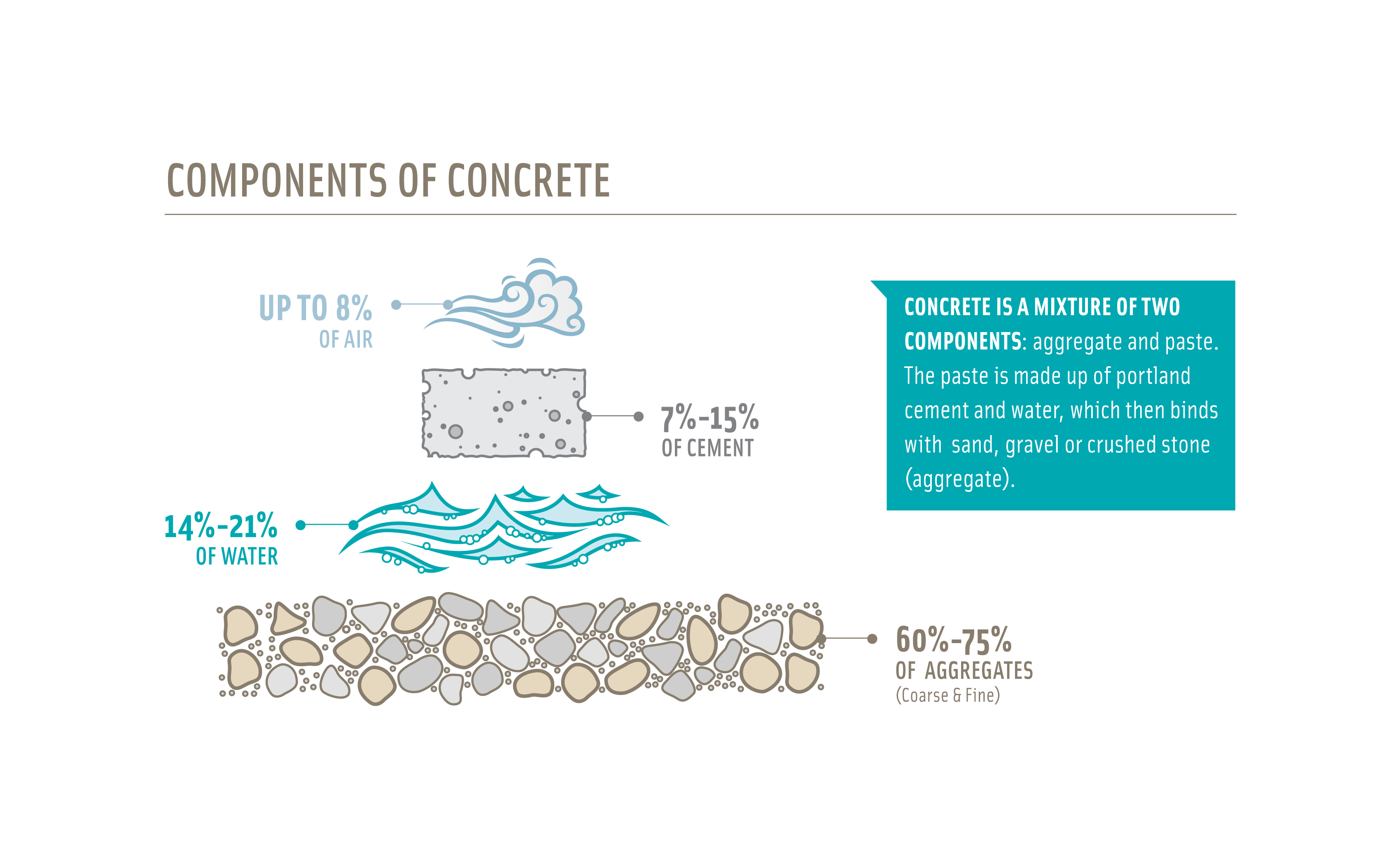
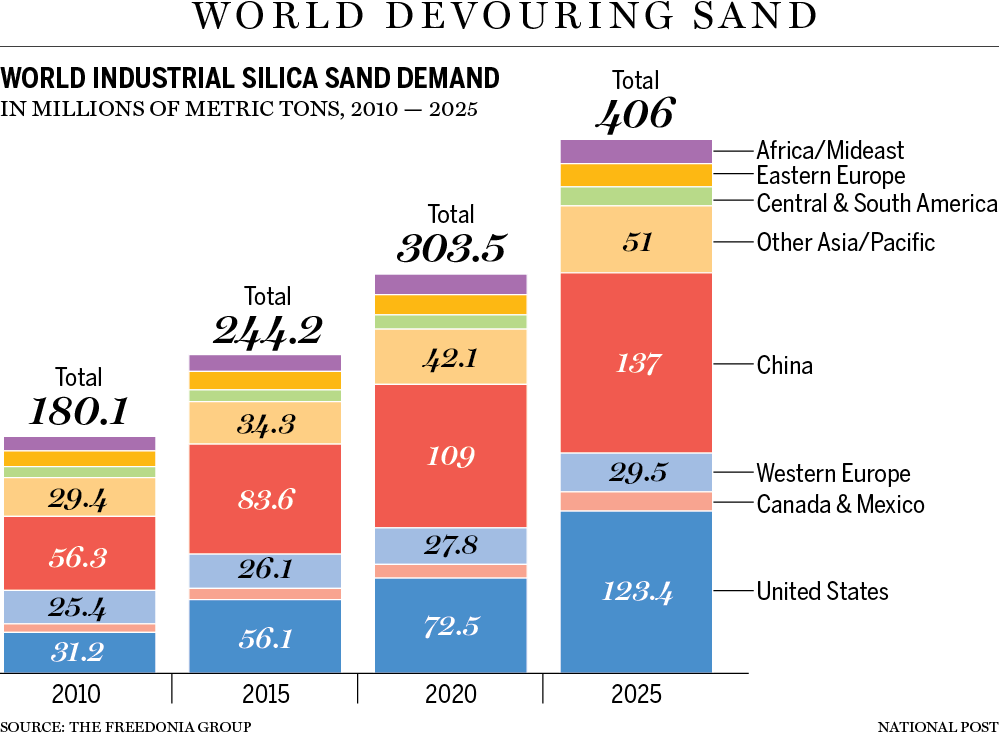
Worldwide, 50 billion tons of sand is consumed each year. We use sands to make everything we need in our lives, such as toothbrushes, food, paper towels. The major usage of sand is concrete, which is made up of 75% of sand. Due to the expansion of the city, the construction of infrastructure and buildings require a large amount of concrete. The demand of world for sand has increased year by year, especially in the developing countries where massive infrastructure needs to be built.
Besides, sands are also used to build island-buildings and high-rise buildings such as Palm Jumeirah and Burj Khalifa in Dubai. As the world’s population increases, the city moving towards vertical, which means that more super-high buildings will be built in the future to meet human needs. Correspondingly, the demand for sand will increase with the expansion of the city. In addition, sand is an important material for plastics making, which makes the sand an indispensability part of everyday’s life.
Perhaps many people will think that there is such a large area of desert on the earth, why we still face the crisis of sand shortage? In fact, the sand in the desert cannot be used for further processing. The wind erosion makes the sand in the desert area too round to manufacture. What we need is the angular sand from the bottom of the ocean or lake, which means that the range of sand available for processing is greatly reduced.
The sand with the best quality and most competitive price usually comes from the riverbeds. However, since the riverbeds are the home of the microorganism, the sand-mining will destroy the ecological balance of the area and destroy the environment of landscape. What’s more, sand mining causing the shore to move in, therefore, the water slides into the valley, which will cause flooding and erosion. However, sand extraction is a 70-billion-dollar industry. Driven by the interests, the black-market of sand trade repeated failure to banned, causing irreversible damage to the ecological environment of developing countries. With the increase of awareness, some governments have introduced policies to restrict sand mining, hoping that the situation of illegal sand trade will be improved in the near future.
Reference
Vince Beiser, 2018, ‘the world in a grain: the story of sand and how it transformed civilization’

 Best Moving Forward