According to data from the united nations environment program, the building consumes 40% of global energy. In addition to energy consumption during building construction, buildings consume most of the energy in the phase of operation, and energy is used in all aspects to maintain building operations, including heating, plug load, heating and etc. Among them, for commercial buildings and residential buildings, lighting accounts for 11% and 26% of the energy consumption of buildings respectively.
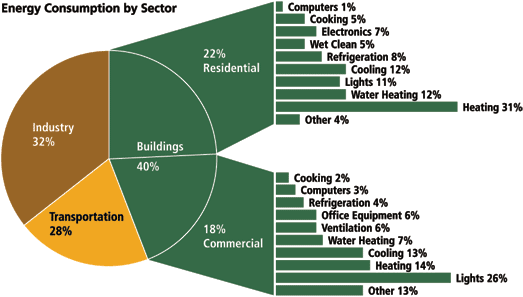
Depend on the building type, Lighting and heating are the two major parts of energy consumption. In order to better achieve the goal of sustainable development, saving energy in building operation is the first part to be considered. As a result, more and more office buildings are beginning to focus on lighting design and individual lighting control. However, compare to daytime lighting, nighttime lighting is often overlooked. In fact, night-time lighting always cause huge energy waste without being realize.
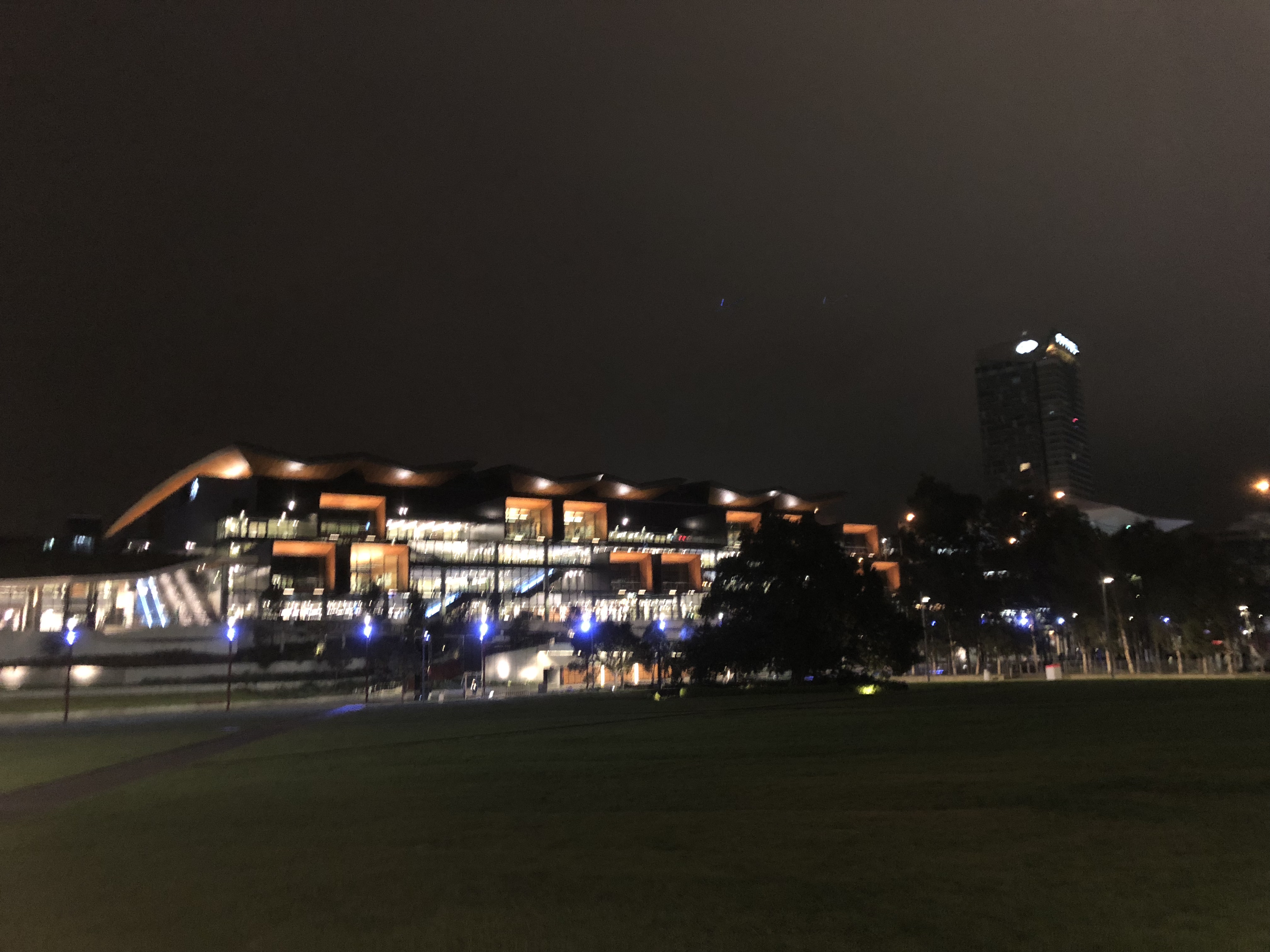
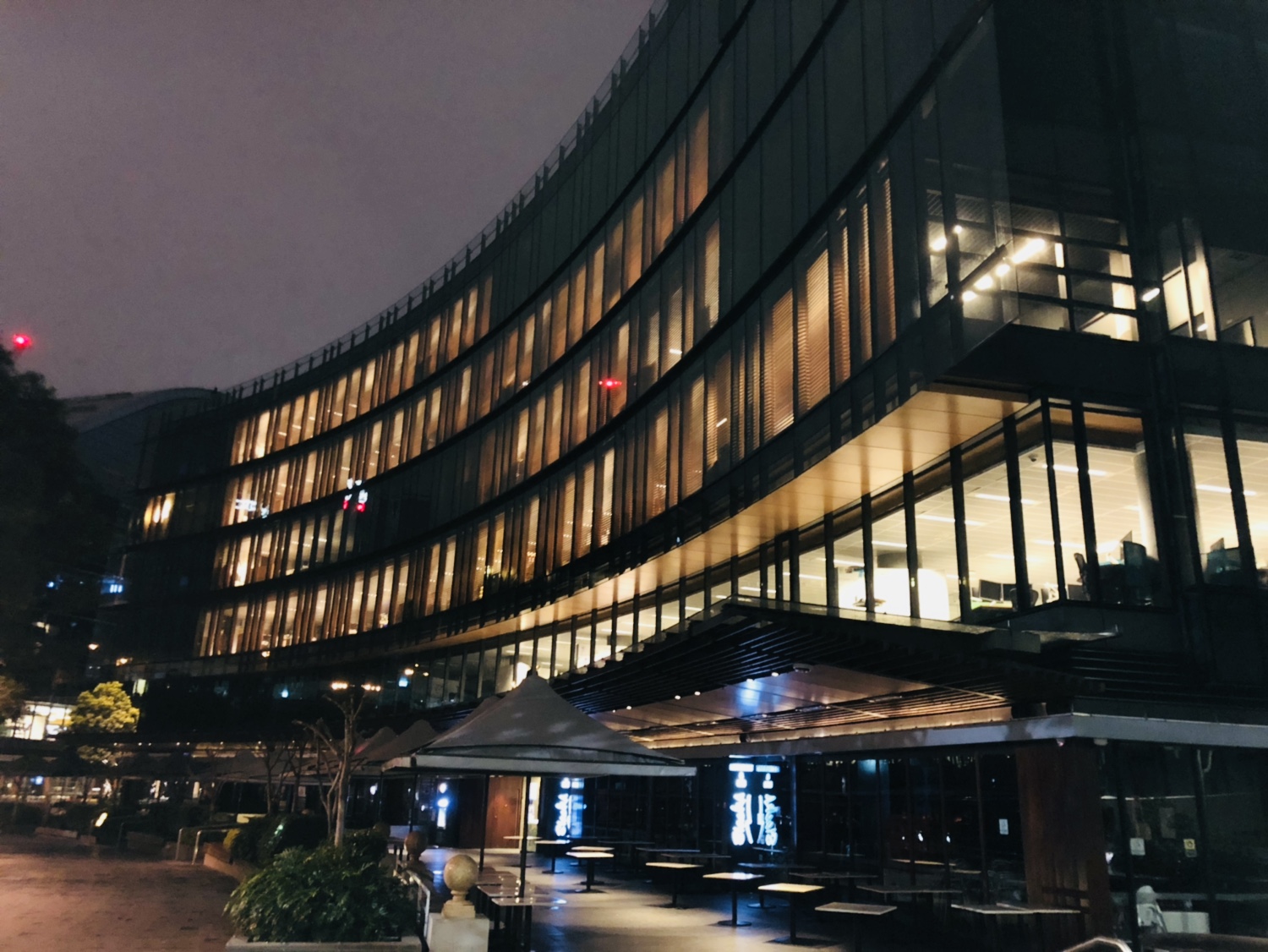
Commonwealth bank in darling harbor, Sydney
The above two pictures were taken at 3:30am in darling harbor by me, the first picture is Commonwealth bank, the second picture is ICC, both are commercial building, which means not many people use these buildings at night. But as you can see, the two buildings are still keeping the indoor lighting on in the night-time. Perhaps because of security or propaganda effects, such a phenomenon is not uncommon. Even in the early hours of the morning, the entire Sydney city is still brightly as daytime.
From my own perspective, as many cities ‘never sleep’ in the night-time, the beautiful lighting effects constitute the unique scenery of the city. Although night time can be used to attract attention and improve the publicity, considering the huge waste of lighting energy, is necessary to find some approaches to find a balance between economic benefits and environmental damage, such as only keeping the exterior lighting on and turning off the indoor lighting or using LED light sources sans-
Reference
United Nations Environmental Program
http://www.unep.org/sbci/AboutSBCI/Background.asp
UCLA

 Best Moving Forward