The fashion industry has become the second largest environmental pollution industry in the world, second only to the petrochemical industry. The negative impact of the clothing on the environment should not be underestimated. The booming development of the fashion industry has also accelerated resource consumption and environmental pollution.
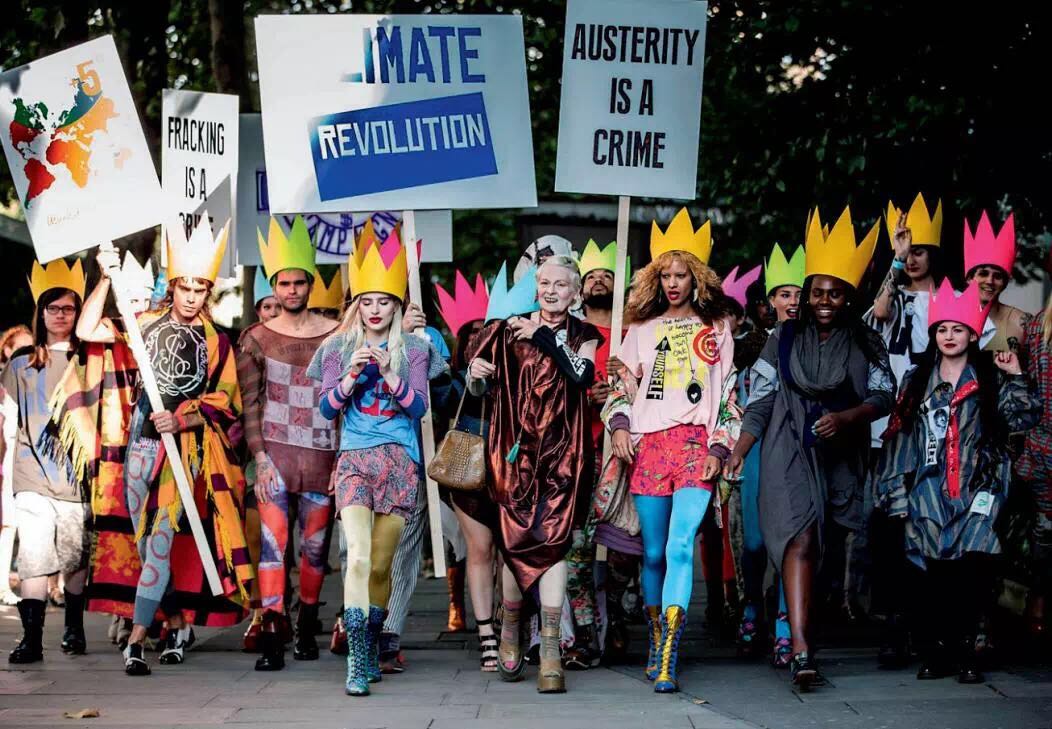
Environmental parade
When it comes to pollution, we usually don’t think about clothes, but the clothing industry is really jeopardizing our planet. Each kilogram of cotton thread requires 20,000 liters of water, and these cotton threads are only enough to produce one T-shirt and one pair of jeans. At the same time, various garment manufacturing processes, including dyeing, washing and decoration, involve 8,000 chemical substances.
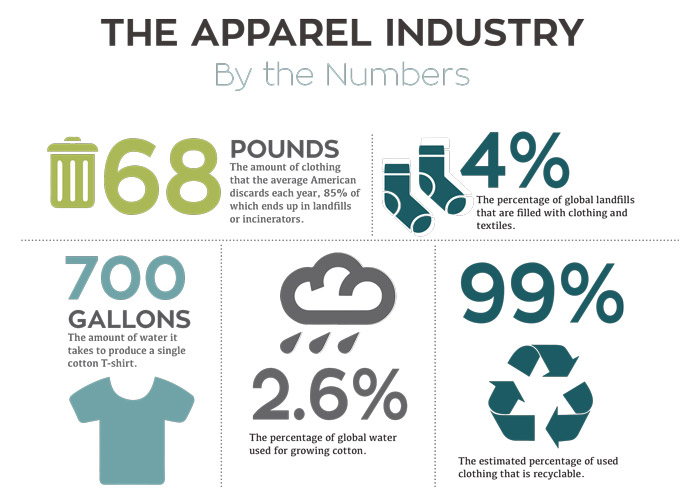
Not only that, but the fast-fashion industry in recent years has greatly satisfied the desire for consumption. Every year, more than 80 billion garments are produced globally, and the textile fibers used to produce these garments consume 1 trillion gallons of water, 33 trillion gallons of crude oil and 20 billion pounds of chemicals. But in the United States alone, 13 million tons of clothes are discarded each year.
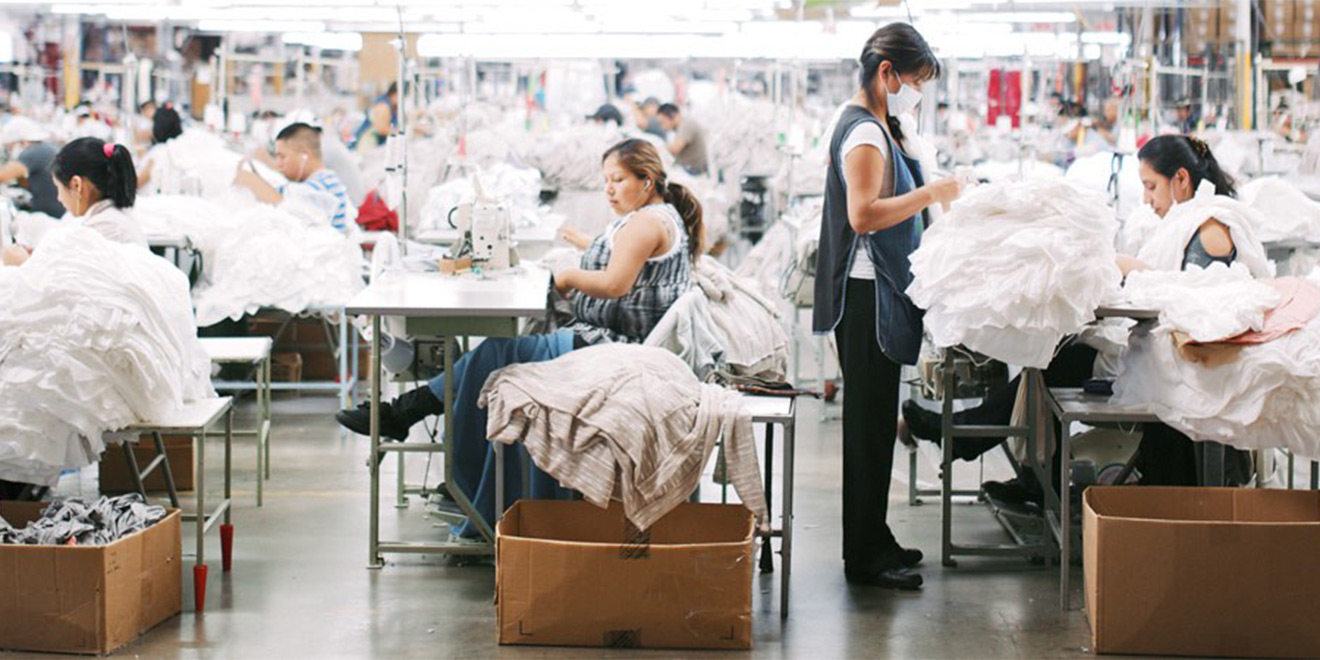
Tracing back to the source, when a piece of clothing starts from its fabric, it faces various environmental problems. In this case, many technology companies in the world have begun to explore recycled fabrics. The raw materials of recycled fabrics are generally taken from mineral water bottles or other plastic products, or old clothes and fabrics. Through the factory’s processing system, the appearance of recycled fabrics made from waste fabrics is no different from other fabrics, and the cost is much lower.

There are many famous international designers who are the supporters of this recycled fabric. For example, the classic pleats of Issey Miyake come from this recycled fabric.
Reference
Trusted clothes

 Best Moving Forward