As plastic products are filled with every corner of the modern city, plastic pollution has always been a headache. Plastic product is not only hard to dispose, as mentioned before, the sand required for the production of plastic products, also do great damage to the environment. At present, the best way to reduce plastic pollution still is reduce the use.
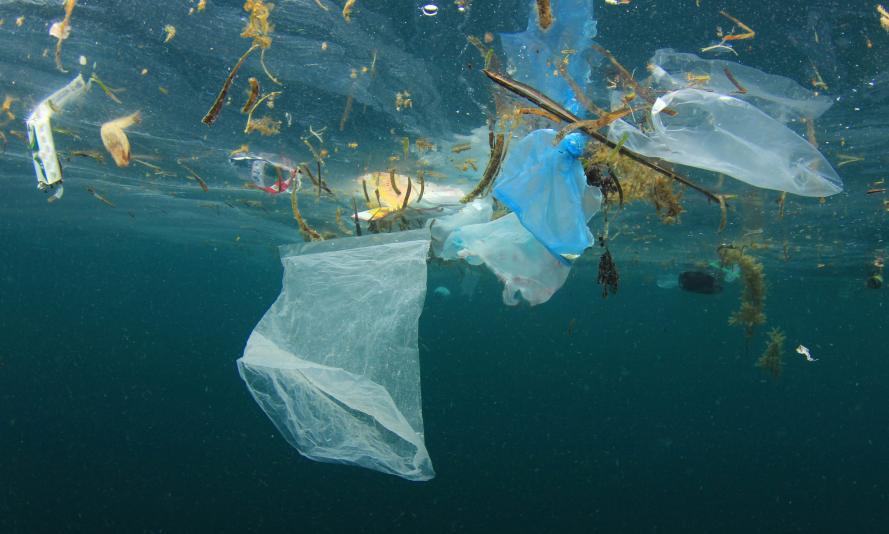
Plastic bags are one of the most common plastic products in people’s daily life. People are used to putting items into plastic bags after purchasing goods. Therefore, supermarkets have become a huge place to consume plastic bags. The situation is also existing in Australia. The growing environmental pollution has led two major Australian supermarket company – Coles and Woolworth, to launch a ban on plastics to encourage residents to use environmentally friendly bags.
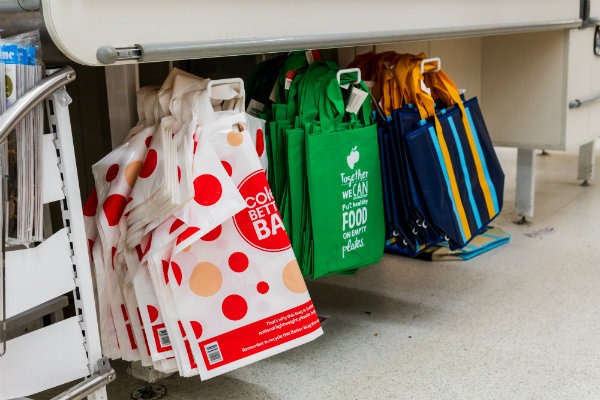
However, because the environmental-friendly bag lacks certain convenience than the plastic bag, the plastic prohibition order has been complained by many people. As shown as the follow video, although the two major supermarket company no longer offer single-use plastic bags, they offer reusable plastic bag in 15c.
Youtube Video
At first glance, it does promote the effect of environmental protection, but the fact is that the reusable plastic bag not only increases the income of the supermarket, but also does not have the effect of recycling. Many residents are still accustomed to buying a plastic bag every time they shop, the difference is a change from free to pay.
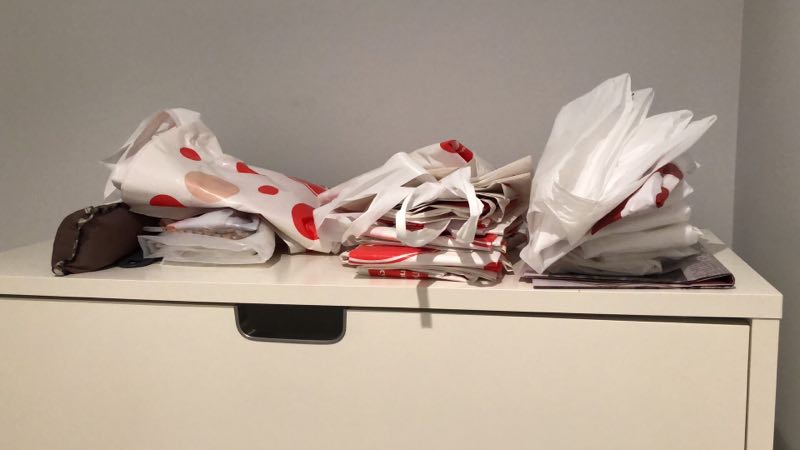
This picture shown is the plastic bags idle in my friend’s apartment, according to my observe, many students are still accustomed to buying plastic bags again after shopping rather than bring their own bag, resulting in the accumulation of unused plastic bags in the house. This shows that this approach does not effectively achieve the goal of reducing the source. How to improve the situation of plastic pollution requires more further researches.
Reference
Lui, Kevin. ‘Plastic Fibers Are Found in ‘83% of the World’s Tap Water’, Time. Retrieved 25 March 2019.
Martinko, Katherine (January 17, 2018). ‘UK supermarket promises to go plastic-free by 2023’, TreeHugger. Retrieved 2019-03-26.
Thompson, R. C.; Moore, C. J.; vom Saal, F. S.; Swan, S. H. (14 June 2009). ‘Plastics, the environment and human health: current consensus and future trends’, Philosophical Transactions of the Royal Society B: Biological Sciences.

 Best Moving Forward