Energy support is required from the construction phase to the operational phase of the building. As a major aspect of energy consumption, how to reduce energy consumption in buildings is one of the research directions of sustainable scientists. Generally, the following three measures can be taken to reduce building energy consumption: reducing energy use, improving energy efficiency and using renewable energy. The topic I want to discuss today is related to how to reduce energy use.
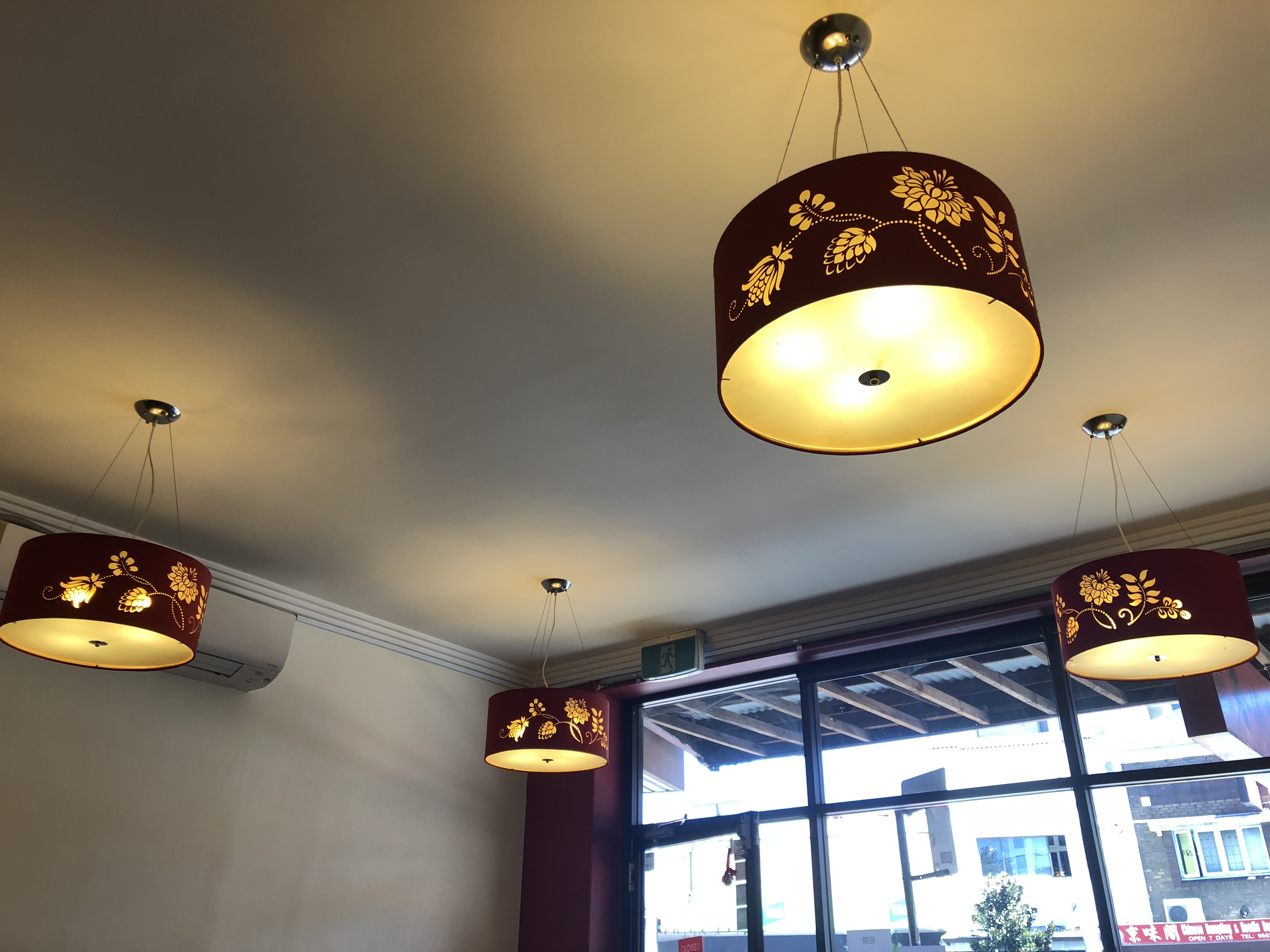
This picture was taken in a restaurant, as we can see from the figure, the lighting is left open while is in the day time. It is 1 o’clock in the afternoon, it is the time when the sunlight is sufficient, but the room still turns all the lights on, which causing a serious waste of energy.
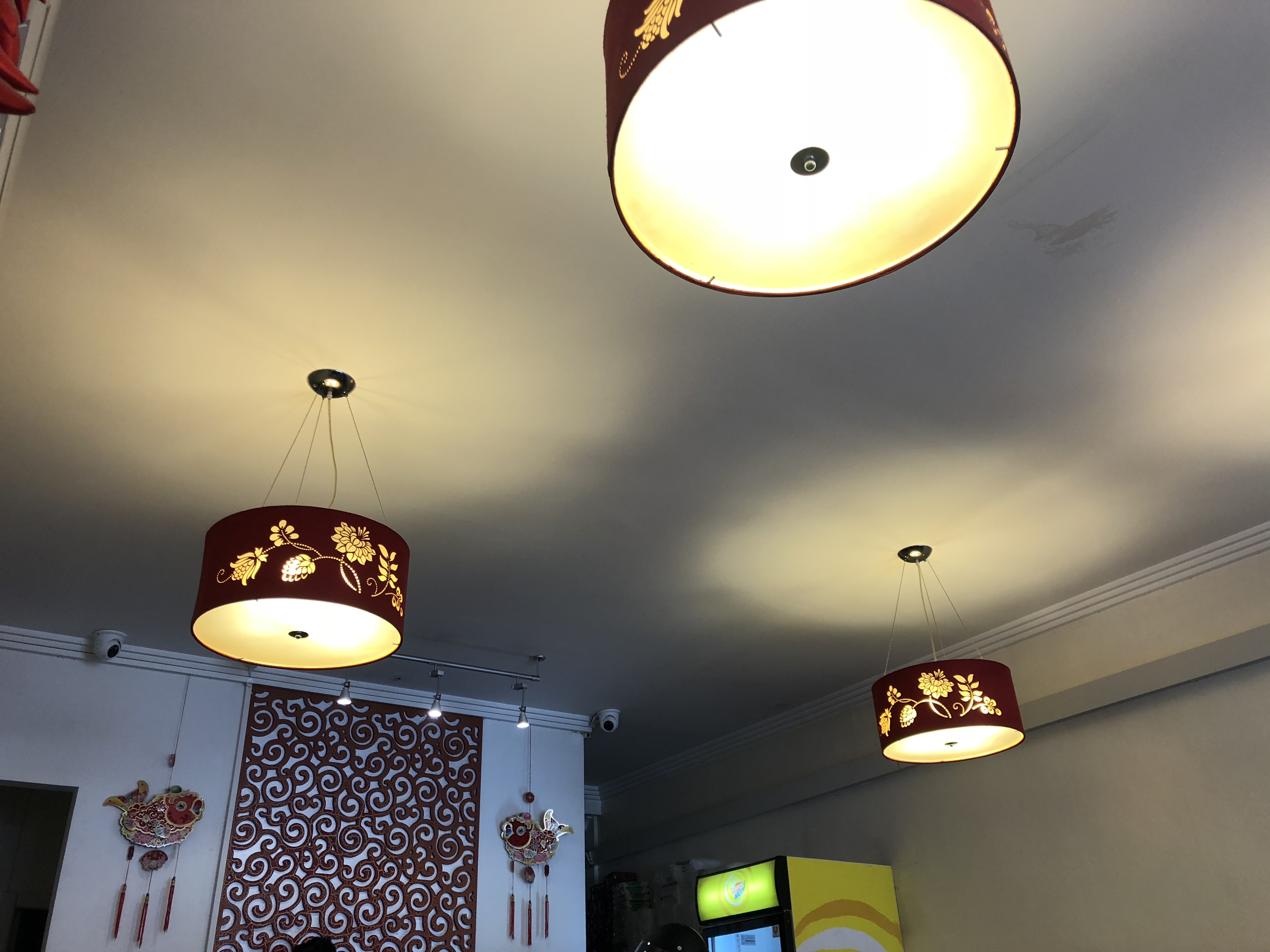
As we can see from these two pictures, the store opened six chandeliers in the store and the three spotlights on the top of the checkout counter during the day. Over time, the energy waste generated is difficult to estimate. Moreover, this is not an independent situation. I have observed the similar situation in many different places.
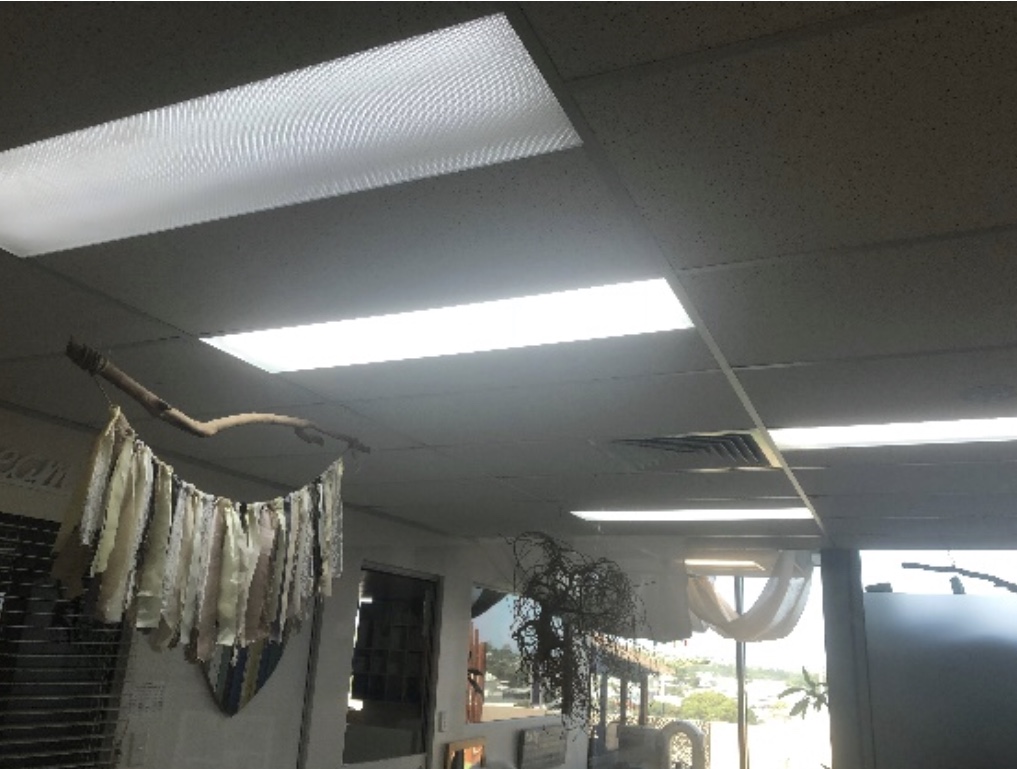
The picture was taken by me in the childcare center that I used to do environmental auditing, and the indoor lighting did not turn off during the day as well. The time of the picture is 4 pm in the afternoon, this room is a space for children’s activities. More interestingly, the childcare center’s sustainability plan documented the “turn off lighting when is not in use” suggestion, but it was not well implemented in operation.
In the face of such a situation, in addition to providing more publicity and education to awaken the public’s awareness, appropriately raising the price of the day time electricity fee to prompt people to turn off lighting when is not in use is also seems reasonable. It’s interesting that when it comes to its own actual interests, the implementation of policies is often more effective.
Reference
Li, D; Cheung, K; Wong, S; Lam, T (2010). “An analysis of energy-efficient light fittings and lighting controls”. Applied Energy.
Israel, C; Bleeker, N (2008). “Sustainable Lighting Strategies”. Electrical Wholesaling.

 Best Moving Forward