In Australia, according to my observation, in the order of the importance to the house, first one is the view, followed by the orientation, the last one is the layout. In fact, I think that is what the Australian developers do. On the contrast, Chinese architectural design emphasis on the ventilation and orientation, but in Australia, these two parts have been overlooked some extent.
In the same place mentioned before, keeping the lights on in the daytime will cause a big increase in electricity bills, so, why the owner choose to keep indoor lighting on even they have to give up some economic benefits?
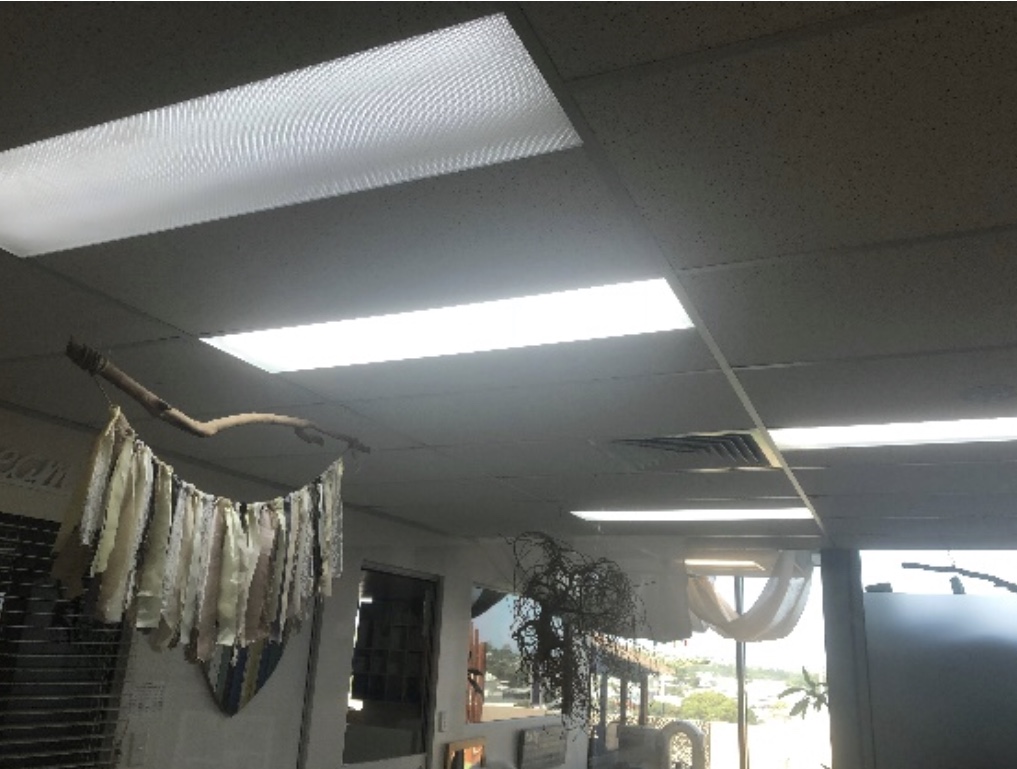
In the picture, even though is sunny outside, the indoor environment still seems dim. The sunlight outside is in stark contrast with the interior. I think the main reason for this is the orientation. Both spaces are designed to the west, which means no sunlight until late afternoon. Therefore, in order to ensure sufficient light in the room, the owner had to choose to turn on the lights at day time, which indirectly caused a waste of energy.
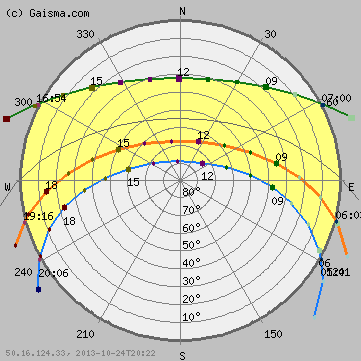
The west-facing space is not only lacking in sunlight, because the temperature of the sun’s rays in the afternoon is much higher than in the morning, the sun light of the late afternoon is not only glaring but also causes discomfort. Compared to other orientations, the west-facing room needs to be adjusted by setting a lower air-conditioning temperature in the summer, which directly increases the energy consumption burden.
It can draw a summary that the preliminary design of the building will have a significant impact on subsequent building operations phase, which is the reason why the architectural design best involve sustainable concept at the preliminary design stage.

 Best Moving Forward