Resilient city has been frequently mentioned recently. In order to increase the resistance of urban disasters and ensure the smooth and healthy development of cities, many cities have begun research on resilience.
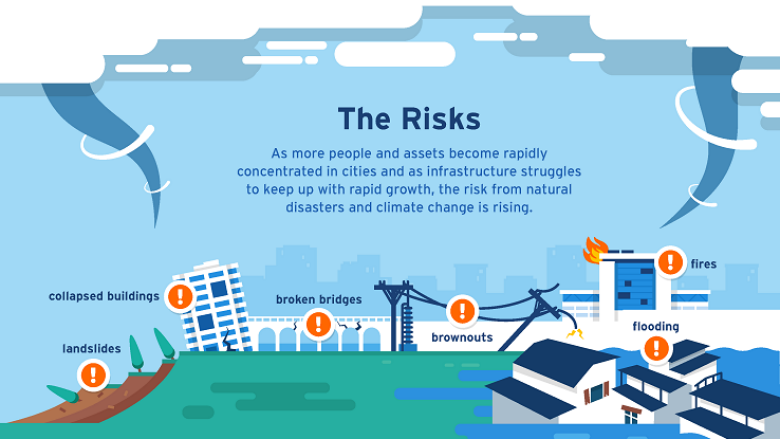
Resilient city is one that assesses, plans and acts to prepare for and respond to hazards – natural and human-made, expected and unexpected. Urban resilience focused primarily on three distinct threats; climate change, natural disasters, and terrorism. resilience strategies have tended to be conceived of sustainable infrastructure, building earthquake resistance, urban drainage system(flooding) and etc.
As an international metropolitan, 2015 Sydney won a place in the 100 Resilient Cities in 2015.Moreover, Sydney develop a plan call ‘resilient Sydney’ to better support the resilience strategy by provide more resources and technical assist.
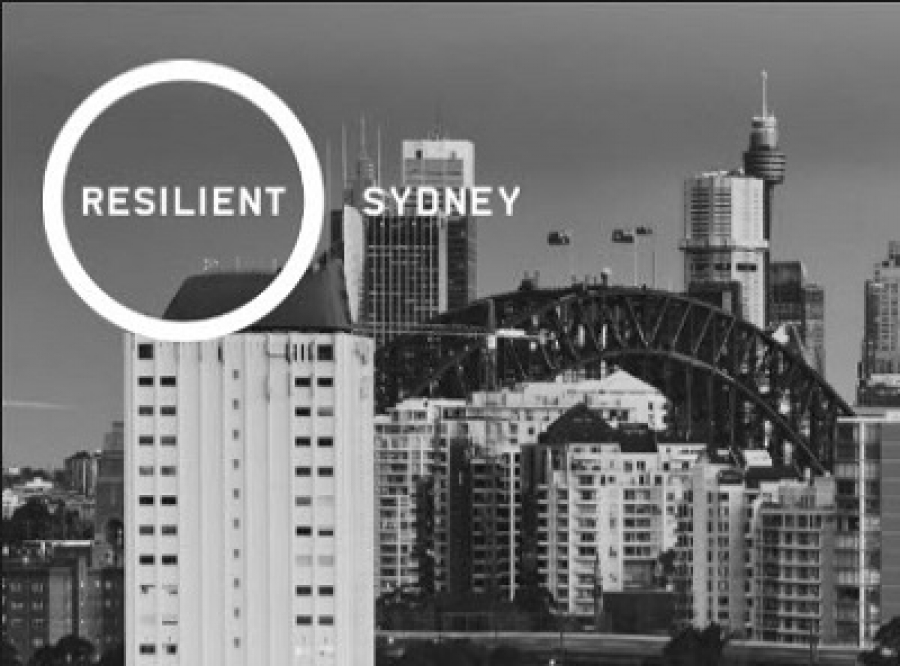
Sydney is one of the most diverse cities in the world, with people of all cultures living in this inclusive city. But with the rapid population growth and the expansion of urbanization, Sydney is facing a series of pressures.
As we can feel in everyday life, Sydney’s infrastructure construction lags behind the speed of urban development. The lack of affordable housing, traffic congestion and the increasingly common sandstorms have become part of Sydney’s life. How cities respond to environmental and social changes, and how to maintain livability and equity in the context of urban growth are challenges to urban resilience. In this context, renewable city developed a framework to better manage the city.
Reference
Coaffee, J (2008). “Risk, resilience, and environmentally sustainable cities”. Energy Policy.
City of Sydney
https://www.cityofsydney.nsw.gov.au/vision/sustainable-sydney-2030/resilient-sydney
Mariani, Luisana. “Urban Resilience Hub”. urbanresiliencehub.org. Accessed 2019-04-08.

 Best Moving Forward