In a traditional design, a single space corresponds to a single function, and the layout follows the functional requirements. However, there is limitation on time according to the use of space. For example, the classroom is not being used at night, and the space such as the theater isn’t being used frequently during the day. If there is only one function in one space, it is easy to cause space waste in different time periods. Therefore, with the requirements of social development, flexible space design is proposed, which means to create multipurpose space. Through some design approaches such as using partition or movable furniture, different functions are given to the same space to maximize space utilization.
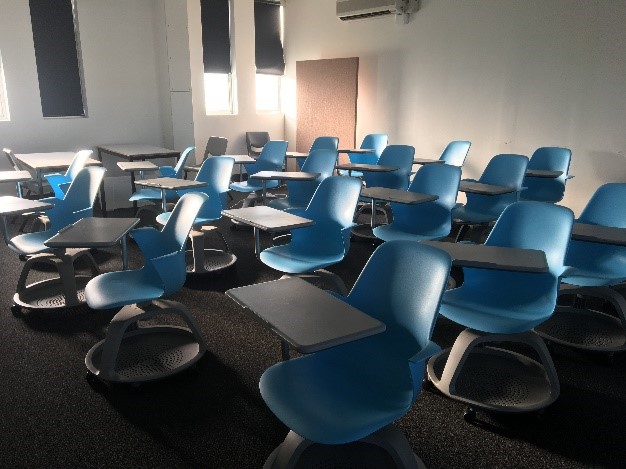
Universities are different from middle schools and elementary schools. There are no fixed classrooms for different class. Therefore, it is necessary to consider flexible design when designing classrooms. This picture is the UNSW classroom. As you can see, the space uses mobile furniture, which can meet the requirements of different courses. Moreover, because the lecture and tutorial have different table arrangement requirements, the movable furniture can meet the requirement and the teachers and students can arrange them according to their needs, which will increase the flexibility and make it more convenient.
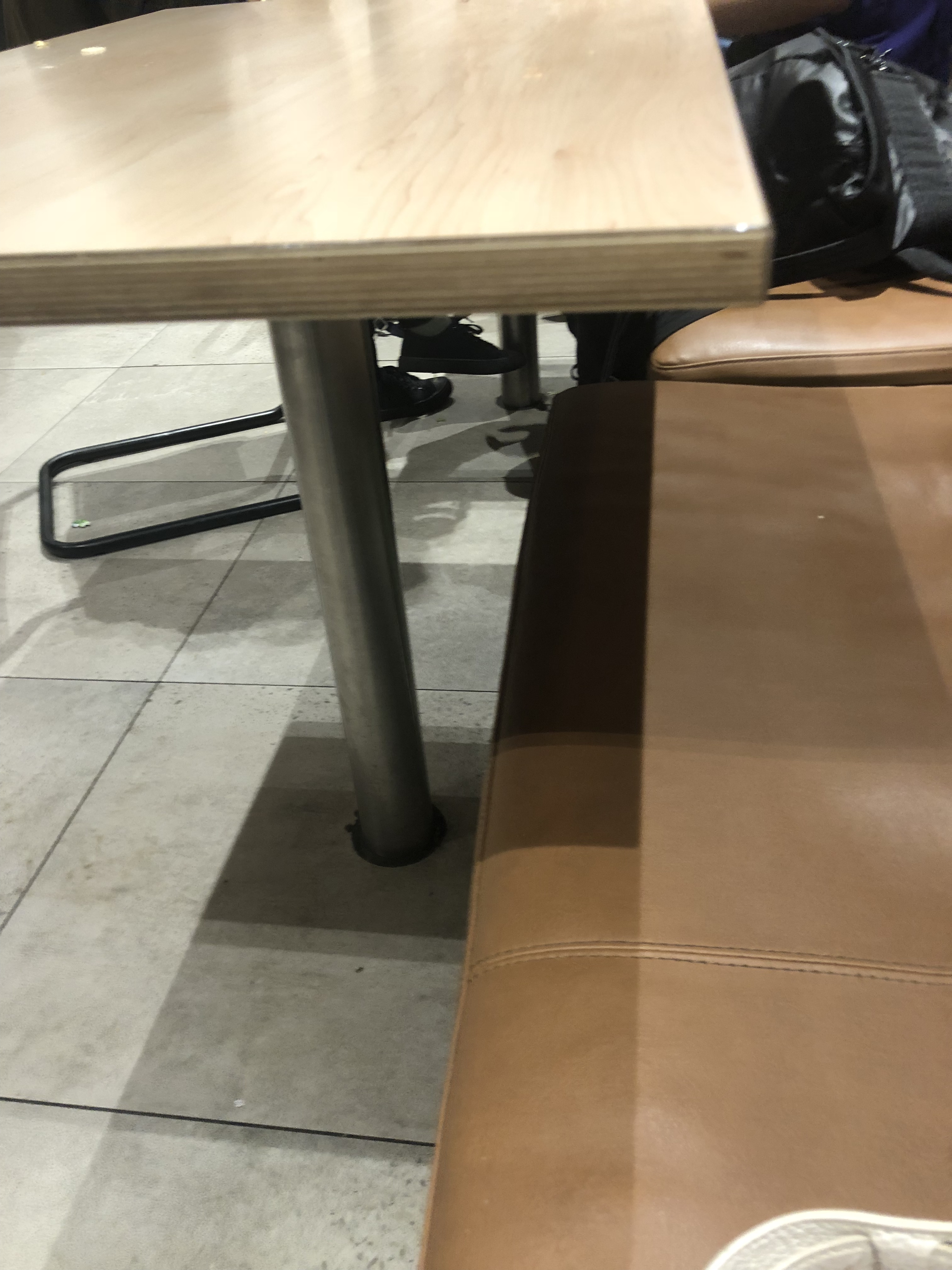
The picture shown is taken at McDonald’s in Kensington, Sydney. It can be seen that the distance between the table and the chair is unreasonable. The table are for four people to sit but seems cramped and uncomfortable. Different customers have different comfort distances from the seat to the table according to the height and shape. Since the position of the table is fixed, the comfort level of the customer is indirectly reduced. If change the fixed table into portable ones, customers will be given more opportunity to make their own choice and the space will be more user-friendly.
Here is an interesting Youtube video about space utilization:
In the context of the shortage of urban land resources, flexible space is the future trend, that is, the matching of space with multiple formats such as merging the functions of office, social, activity and education will change the lifestyle of people.
Reference
flexible space design, https://inhabitat.com/tag/flexible-spaces/
Susan Thomas, 2013, ‘building flexibility’

 Best Moving Forward